
Ensuring Accurate Leak Detection in Packaging: Labthink’s Advanced Testing Solution
Understanding the accuracy of leak detection is fundamental for ensuring product safety and shelf life. As a supplier, we know that precise leak data helps you prevent costly recalls and maintain brand reputation. This article explains the factors that influence the reliability of leak detection methods. Our goal is to provide clear, factual information to support your quality control decisions.
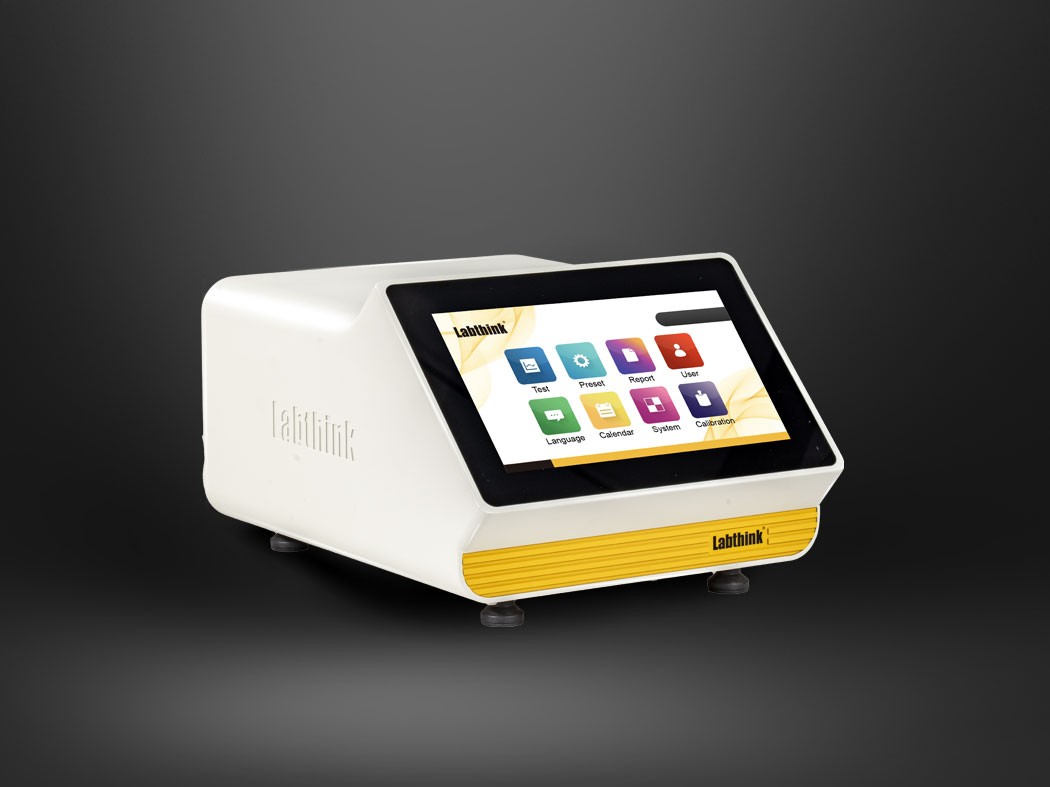
Leak Detection Method Sensitivity
The sensitivity of leak detection is dictated by the chosen method’s Lower Detection Limit (LDL). Techniques range from qualitative bubble emission tests, suitable for identifying gross leaks, to quantitative vacuum decay or tracer gas methods capable of identifying minute defects. The required sensitivity is determined by the product’s Maximum Allowable Leakage Limit (MALL);for instance, sterile medical devices demand validated gas-tight seal integrity, while some dry goods may tolerate a higher threshold. Selecting the appropriate method involves balancing detection limits with throughput requirements. For definitive results, many rely on specialized package testing services to validate their chosen approach against industry standards, ensuring the method’s accuracy aligns with the product’s critical requirements.
Technology Limitations in Leak Detection
All leak detection technologies have inherent limitations that affect their accuracy. Factors such as package material, geometry, and the type of contents can interfere with a method’s sensitivity. For example, vacuum decay is highly effective for rigid vials but requires specialized restrictive chambers for flexible pouches. Internal environmental variables, such as the moisture content of the gas inside the package, can affect the pressure changes used for detection.Understanding these constraints is crucial for interpreting results correctly. Organizations like Labthink contribute to the field by researching these variables, helping to define the practical boundaries and capabilities of different testing instruments, which guides users in applying the most effective technology for their specific application.
Conclusion
At Labthink, we develop instruments that address the need for precise leak detection. Our Permeability Test Instruments measure the transmission rates of gases like oxygen, water vapor, and carbon dioxide to assess the barrier properties of packaging materials. We also offer Non-Permeability Test Instruments that perform tests for leak and seal integrity, tensile strength, and heat seal strength. These instruments are used for quality control in industries such as pharmaceuticals and food. Specific product models include the C190H Air Permeability Tester, the C403H Oxygen/Water Vapor Transmission Rate Test System, and the C690M Nondestructive Package Leakage Detector, which serves as an accurate packaging leak tester for various applications.